


Planning, scheduling and resource allocation
Presentation by: Jatin Mandhyan, published by Slideshare on February 26, 2014

Planning Skills and Setting Objectives
Training Type: Front Line Management
Training Objective:
- To learn and practice how to put realistic personal & business goals & objectives.
- To learn and practice how to put practical plans to achieve these objectives.

Warehouse Safety
COURSE TYPE: Supervisory Skills
COURSE OVERVIEW:
- The course will emphasize on “Safety Is Everybody’s Business”
- Safety Cultures will be established through two main folds
- Establish accountability for safety
- Define safety responsibilities Read more


Coaching Skills
Course Overview:
Coaching is aimed at improving performance at work. This is done by turning the activities people do into learning situations, in a planned way and under guidance.
Training Course Objectives:
- To be able to define the coach’s role and explains how coaching differs from the other ‘helping skills’ of advising, instructing, counseling and mentoring.
- To know the four key stages to coaching, namely assessing current performance levels, setting outcomes for learning, agreeing tactics/initiating action, and giving feedback.
- Highlight the various skills required for a good coach and the potential pitfalls. Read more

Procrastination Time
We all procrastinate at one time or other. We put off doing things we could (and should) do now. Of course, we put off not only decisions but anything that is difficult, annoying, or unpleasantly time-consuming. When we do it only occasionally, procrastination is harmless. But when procrastination becomes a persistent habit, it is a serious threat to our professional and personal success.

CLEAN OFF YOUR DESK
A slovenly desk may be more than just an eyesore — it could lead to poor productivity. A desk stacked with paper causes stress as people are constantly reminded of unfinished work, which leads to low productivity. Desk stress includes silent interruptions that infiltrate the work place. These interruptions are disguised as files, numerous telephone messages, and reminders written on tiny scraps of paper — all strewn on the desk. Read more

Fatigue Managing at Work
Course Objectives:
Fatigue Managing at Work is designed to provide participants with the knowledge and skills to manage fatigue-related risk
1. The causes and consequences of fatigue
2. How to manage fatigue while maintaining operation and individual obligations.
3. Personal fatigue management strategies
The Art of Assertiveness
Training Objective:
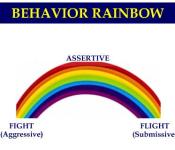
- The course aims to change the attitudes, open the minds or remove the prejudices of the target participants.
- The course will persuade participants to adopt assertive behavior in any business or personal situation.

Interpersonal Skills
Overview:
Interpersonal skills are the life skills that we use every day to communicate and interact with other people, both individually and in groups. People with strong interpersonal skills are usually more successful in both their professional and personal lives.
Employers often seek to hire staff with ‘strong interpersonal skills’ – they want people who will work well in a team and be able to communicate effectively with colleagues, customers and clients.

Supervisory Core Skills
Course Overview:
- If it is your job to direct other people, you are a supervisor. You are a first line manager if the people you direct do not, direct other people.
- This course is about dealing with people, as they are your most valuable asset to use to achieve their needs, company goals and your objectives.


